

CDC-SL will be the leading professional consulting firm, providing marketing research and economic analysis services to a wide variety of private and public clients.
CDC-SL Market Research
CDC-SL will gain experience, train and qualify its employees and the community in the field of market and economic analysis pertaining to commercial and residential real estate. Our consulting services will address planning and feasibility concerns for real estate and economic development.
Real Estate Consulting
Our community development strategies are designed to aid both our public-sector and private-sector clients in addressing a variety of urban planning and development issues through the utilization of community, real-estate, and economic analyses.
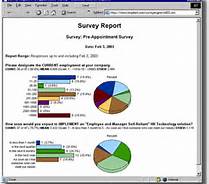
Marketing Survey
Our consumer demand and satisfaction studies are designed to aid our clients in quantifying customer attitudes and opinions through prospective buyer and consumer demand surveys, customer service surveys, and image and advertising awareness surveys.
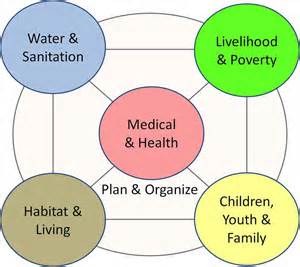
Community Development

Our Goal
The goal of CDC-SL is to provide decent affordable community housing, support services for middle-to-low-income home ownership in rural Freetown and the provinces. As a not-for-profit organization, our purpose is to provide housing programs and services that promote, expand and support community housing development. Above all, and most important, CDC-SL will engage in the development of affordable housing to every honest, hard-working resident willing to live in a housing community, who wants to claim peaceful ownership of their property and the surrounding community. As a result, our primary mission is four-fold:
1. Create home purchase opportunities in the developments we build;
2. Increase & improve home ownership viability through managed payment programs;
3. Create an active, independent & assisted living retirement for our parents (and self);
4. End housing over-crowding.
The key to our housing production is filling the gap between what housing costs to produce and manage; and what low-middle income households are able to pay. Our home ownership efforts will help citizens and residents build assets, enriching their lives and strengthening the communities in which they live.
Consulting
